
The information about the Keynote Speakers of MEDLIFE2026 is as follows, which will be updated regularly.
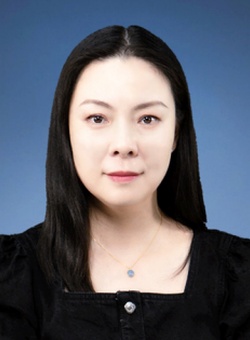
Dr. Yi Zou, Professor
College of Life Science and Technology, Jinan University, Guangzhou, China
Biography: Dr. Yi Zou, Ph.D in Genetics (The University of Adelaide, Australia), is currently a professor in the School of Life Science in Jinan University. As a scientist, Dr. Zou specializes in the study of molecular regulation of microglia activities and neuroinflammation utilizing multiomic, molecular biological and neurological methodologies. Her lab also focuses on the genetic regulation of craniofacial development and vertebrate facial evolution using animal models as well as IPSC model. She has directed the research grand of Chinese Science Foundation and the Key R&D Program of Guangdong. Her detail research achievements can be found in her recent publications on Molecular Psychiatry, Journal of Neuroinflammation and BMC Genomics, etc.
Topic: Perioperative Neurocognitive Disorder, An Old Fellow with A Fresh Showcase: The Markers, The Players, and the Cure
Abstract: Postoperative neurocognitive disorder is a common complication that primarily affects senile patients and is associated with increased morbidity/mortality after surgery. Postoperative delirium (POD) and Postoperative cognitive dysfunction (POCD) have been collectively refered as perioperative neurocognitive disorder (PND). Previous Heterogeneities in the clinic diagnosis of PND and the lack of animal models hampered the understanding of the pathogenesis of PND as well as the development of effective preventions/treatments. Although peripheral and CSF markers of neuroinflammation have been shown to correlate with increased risk of PND, most of them are non-specific and cannot be used for either diagnosis or targets of treatment. My group has long been working on the pathogenesis of PND as well as looking for novel biomarkers and therapeutic strategies. We recently identified a panel of plasma and CSF protein markers using -omics studies and machine learning techniques. Results of neurological studies further indicated that immune cell infiltration was a key player in PND pathogenesis and natural polysaccharides displayed great potential in prevention/treatment of this condition.
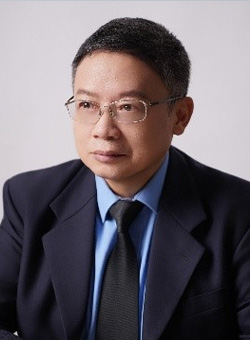
Dr. Jin Wang, Professor
Zhongshan Hospital (Xiamen), Fudan University, Xiamen, China
Biography: Dr. Jin Wang is a Professor, Principal Investigator (PI), and Chief of the Central Laboratory at Zhongshan Hospital of Fudan University (Xiamen). His research focuses on cancer and infectious diseases. His laboratory conducts basic and translational research in the following areas: 1) development of novel early detection biomarkers for human gastrointestinal (GI) cancers; and 2) application of pharmacologic ascorbic acid, all-trans retinoic acid, and non-coding RNAs (ncRNAs, including circRNAs, lncRNAs, and miRNAs) for the treatment of cancer and infectious diseases.
Topic: Noncoding RNAs as novel blood-based biomarkers of pancreatic Cancer
Abstract: Pancreatic cancer is characterized as the worst for diagnosis lacking symptoms at the early stage. Development of sensitive and specific biomarkers, preferably those circulating in body fluids is critical for early diagnosis of pancreatic cancer. Emerging evidence has shown that some dysregulated noncoding RNAs (ncRNAs) in body fluids, including microRNAs (miRNAs), long noncoding RNAs (lncRNAs), and circular RNAs (circRNAs), play key roles in tumorigenesis and the progression of pancreatic cancer (PaCa). Here, we analyzed the plasma-derived exosomal ncRNA profiles of PaCa patients by using whole-transcriptome sequencing and identified some significantly differentially expressed ncRNAs (lncRNAs and circRNAs), which showed good sensitivity, specificity and has great potential for the diagnosis of pancreatic cancer. Our results indicate that the plasma-derived exosomal ncRNAs may be novel diagnostic markers for PaCa, which may also provide valuable insights for identifying therapeutic approaches for PaCa.

Dr. Jie Tang, Professor
Alpert Medical School of Brown University, Providence, USA
Biography: Dr. Jie Tang is a Professor of Medicine & Surgery, Brown University – Alpert Medical School. USA Associate Chief of Clinical Affairs, Division of Kidney Diseases and Hypertension, Department of Medicine, Bronw University Health. USA. A senior clinician educator with special interests in clinical epidemiology, kidney stone diseases, renal genetics, and promotion of global kidney care.
Topic: Diet and Kidney Stone Disease
Abstract: Kidney stone disease is a common condition with an increasing prevalence. Diet is an important, modifiable risk factor of an individual's risk of developing kidney stone disease, particularly for those without genetic causes of kidney stone disease. Prospective and epidemiological evidence suggest that adequate fluid intake, limited sodium ingestion, and sufficient calcium and potassium intake can decrease the risk of developing kidney stones. Metabolic risk factors for KSD found on 24-hour urine studies can be used to tailor dietary modifications recommended to reduce subsequent risk of kidney stone formation.
© Copyright 2015-2026 13th International Conference on Health, Medicine and Life Sciences - All rights reserved.

 X (formerly Twitter)
 LinkedIn